
Space & Planning / GUIDE 03
Apartment Interior Design Abu Dhabi: Open-Plan Living and Dining
Bring clarity to an open-plan Abu Dhabi apartment with coordinated living and dining zones, comfortable circulation and connected material choices.
The essential idea
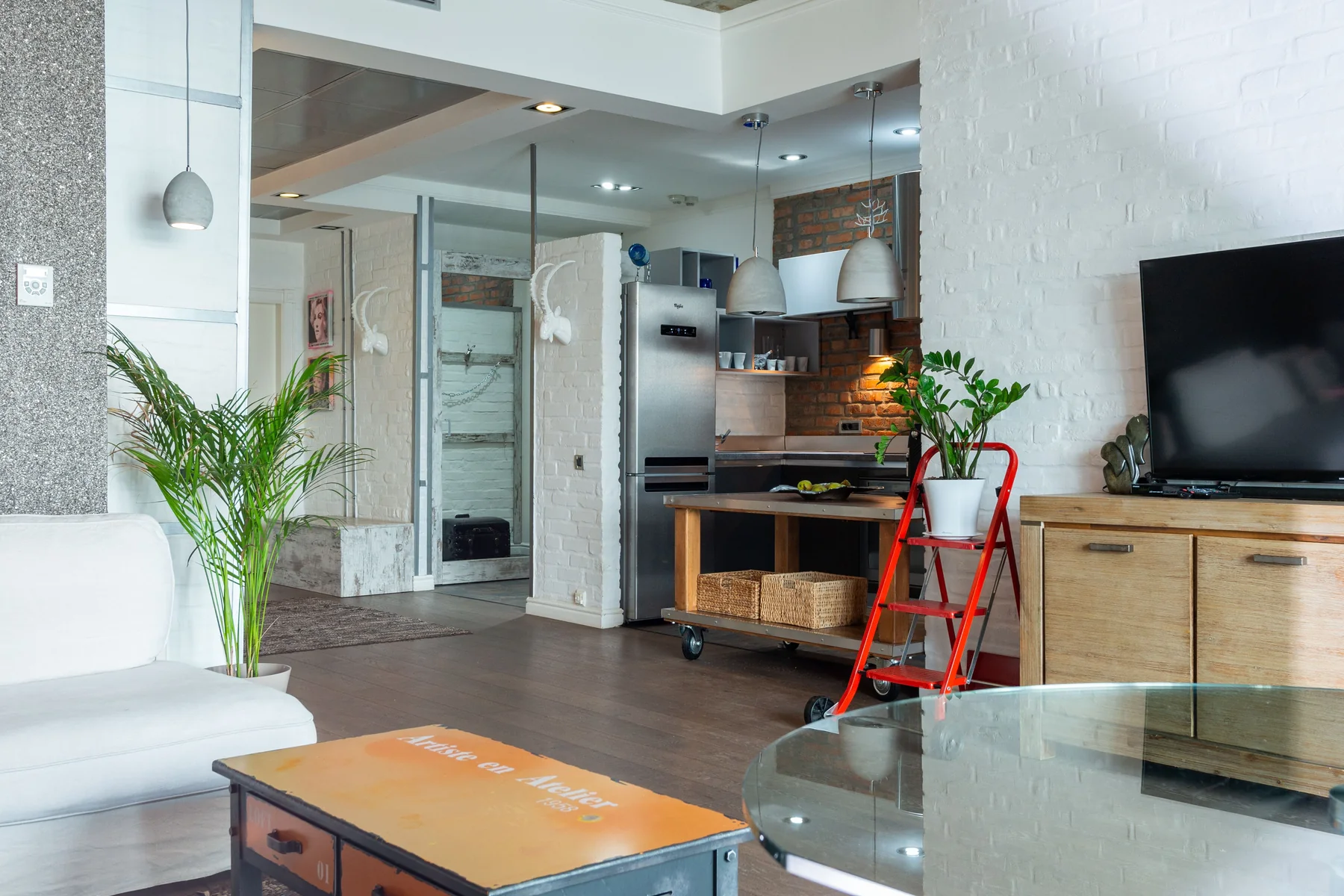
Open-plan living and dining works when the two settings feel connected but remain independently usable. Position the dining area around meal preparation and serving, arrange seating around conversation, and protect the route between them. Repeat a few materials or colours instead of matching every item.
Removing visual boundaries does not automatically make an apartment feel spacious. An open-plan room can become a collection of unrelated furniture, or a passage that runs through every activity. For an Abu Dhabi apartment, the useful question is how living, dining and the kitchen support each other. The answer should be visible in the furniture arrangement before decorative details are selected.
Understand how meals reach the table
Trace the movement from food preparation to serving, clearing and washing up. A dining table may look attractive beside a window yet become inconvenient if every meal crosses the seating area. Consider how people move when the room is already occupied.
The relationship to the kitchen matters more than a perfectly symmetrical plan. Leave a sensible place to set down dishes and avoid using an occasional coffee table as the only serving surface.
Give the living area its own centre
Decide whether the seating is primarily for conversation, television, reading or a combination. A sofa aimed only at a screen can turn its back on the rest of the room. An additional chair angled towards the sofa may make the group more sociable.
Place tables where people can reach them without blocking movement. A large central table is not always necessary; smaller side tables can support a more open arrangement while still serving guests.
Draw the circulation between settings
The route through the apartment should be easy to understand. Avoid forcing people to squeeze between a dining chair and a sofa whenever they move towards the balcony or bedroom corridor. Test the route with chairs pulled out, rather than with all furniture tucked away.
If the plan feels crowded, reconsider the dimensions or orientation of one anchor piece. Adding more decorative zoning will not solve a conflict created by oversized furniture.
Use a limited material conversation
Choose a small number of connecting elements, such as warm timber, a muted upholstery tone or a particular metal finish. Repetition gives the room coherence without requiring identical dining and living furniture.
A useful palette can still include contrast. A darker dining table may ground that setting while lighter seating keeps the living area relaxed. Compare physical samples together so differences in undertone become apparent before installation.
Coordinate rugs and lighting
A rug can define a living group, but its edges should make sense in relation to the seating. A dining rug needs separate consideration because chairs move across it and spills are part of everyday use. There is no requirement to use a rug in both areas.
Plan lighting for each activity. The table needs comfortable illumination for faces and food, while the living area may benefit from several quieter sources. Check the relationship between a pendant and the final table location before fixing ceiling points.
Test everyday and hosting arrangements
Prepare two furniture plans: one for normal life and one for the number of guests you realistically host. Identify where extra chairs come from and where a serving tray will go. Do not sacrifice daily comfort for a gathering that happens rarely.
Then check the view from the entrance. A clear first view, a tidy storage strategy and a restrained material palette can make the whole apartment feel more ordered. The best open-plan room allows activities to overlap without making every activity visible at once.
Common questions
Should the sofa separate the dining and living areas?
It can, provided the back of the sofa is suitable to see and the arrangement preserves a comfortable route. Test access around both ends. A sofa placed as a divider should organise the room rather than create a narrow corridor.
Do dining and living furniture need to match?
No. Related colours, proportions or materials can create a coherent room without a matching set. Choose each piece for its own activity, then compare the combination as a whole. Consistent detailing often matters more than identical finishes.