
Light & Materials / GUIDE 14
Apartment Interior Design Abu Dhabi: Layered Lighting from Morning to Evening
Plan layered lighting for an Abu Dhabi apartment with separate ambient, task and accent functions, comfortable controls and maintainable fittings.
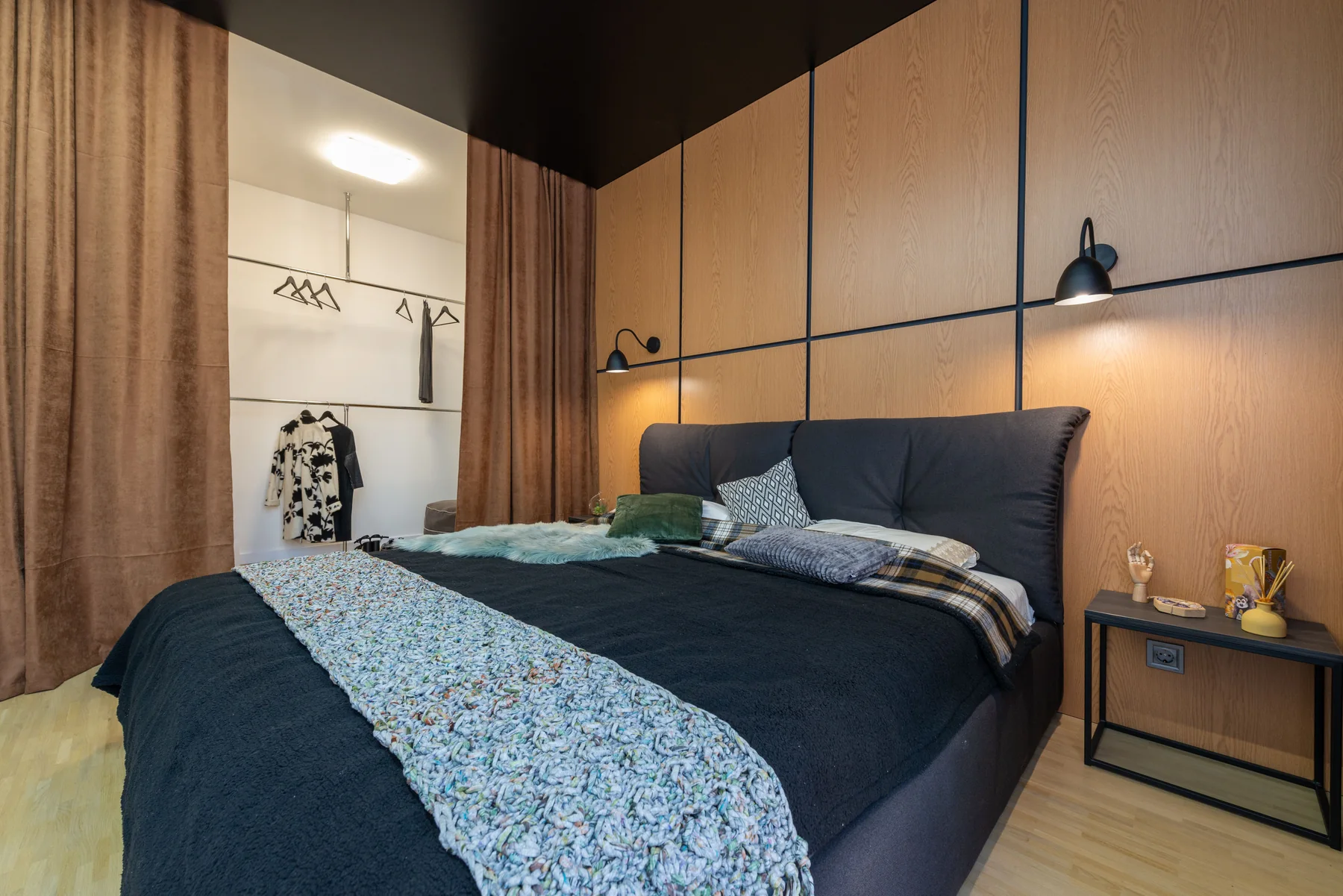
The essential idea
Layered lighting gives an apartment different ways to support activity and atmosphere. Start with general visibility, add light for specific tasks, and use accent lighting selectively. Coordinate fixture position, switching and maintenance so the room remains comfortable in both daytime and evening use.
One bright ceiling fitting is rarely the most flexible answer for every moment in an apartment. Reading, preparing food, welcoming visitors and winding down each place different demands on light. A useful lighting plan for an Abu Dhabi home begins with these activities. Decorative fittings can then contribute to the room without being expected to solve every lighting need on their own.
Describe the activities before the fittings
List what happens in each room and where it happens. Reading in a chair, using a mirror, preparing food and moving through a corridor all require different attention. Mark the furniture positions on the lighting plan so the relationship is explicit.
If the furniture layout is still uncertain, avoid fixing highly specific light positions too early. A pendant centred over an old table location can become an expensive reminder that the two decisions were not coordinated.
Build a comfortable ambient layer
General lighting should make the room understandable and easy to move through. It does not need to make every surface equally bright. Consider how light reaches walls and the ceiling, as well as the floor.
Look for glare from seated and reclining positions. A fitting that appears unobtrusive while standing may be directly visible from the sofa or bed. Review the actual light distribution and shielding, not only the decorative shape.
Add task lighting where work happens
Place task lighting in relation to the person and the activity. A desk lamp should support the work surface without reflecting strongly in a screen. Kitchen lighting should be coordinated so the user does not create an avoidable shadow over the main preparation area.
Task lights can also make a room more flexible. A reading lamp lets one corner remain useful while the overall room lighting is lower, provided controls are within convenient reach.
Use accents with restraint
Accent lighting can draw attention to a material, artwork or architectural element. Choose what deserves that emphasis instead of outlining every shelf and ceiling edge. Too many competing effects can make a small apartment visually restless.
Check the suitability of light near sensitive artwork or materials with the relevant specialist. Do not assume that a decorative lighting detail is harmless simply because it is small.
Organise controls around real use
Group lights by the activities they support. Residents should be able to understand what each control does without memorising a complex sequence. A simple arrangement often serves an apartment better than an elaborate system that nobody adjusts.
| Moment | Useful lighting combination |
|---|---|
| Arriving home | Clear entrance and circulation light |
| Preparing dinner | Kitchen task light with general visibility |
| Hosting friends | Comfortable light across seating and dining |
| Reading quietly | A local reading source |
| Getting ready for bed | A reduced, easily controlled setting |
Confirm compatibility and maintenance
Check dimmer, driver and lamp compatibility for the selected products. Ask how replaceable components can be reached and whether replacement parts are readily specified. Integrated joinery lighting should include a workable service strategy.
Have fixed electrical work designed and installed by suitable professionals. At completion, review the apartment after dark with the furniture in place, test each control and record adjustments. The final judgement belongs to the lived room, rather than the reflected ceiling plan alone.
Common questions
Do all apartment lights need dimmers?
No. Dimming is useful where the activity or mood changes, but some task lights may work well with simple separate switching. Confirm compatibility with the chosen fixtures. A clear control plan matters more than adding dimmers everywhere.
Can table and floor lamps replace ceiling alterations?
They can provide useful flexibility, especially in a furnished or rented apartment. Check outlet locations and keep leads away from circulation routes. They may not replace all general or task lighting needs, so assess the room as a whole.