
Living & Hosting / GUIDE 17
Apartment Interior Design Abu Dhabi: Balconies as Everyday Retreats
Plan an Abu Dhabi apartment balcony for everyday use with suitable furniture, clear access, practical maintenance and building-specific checks.
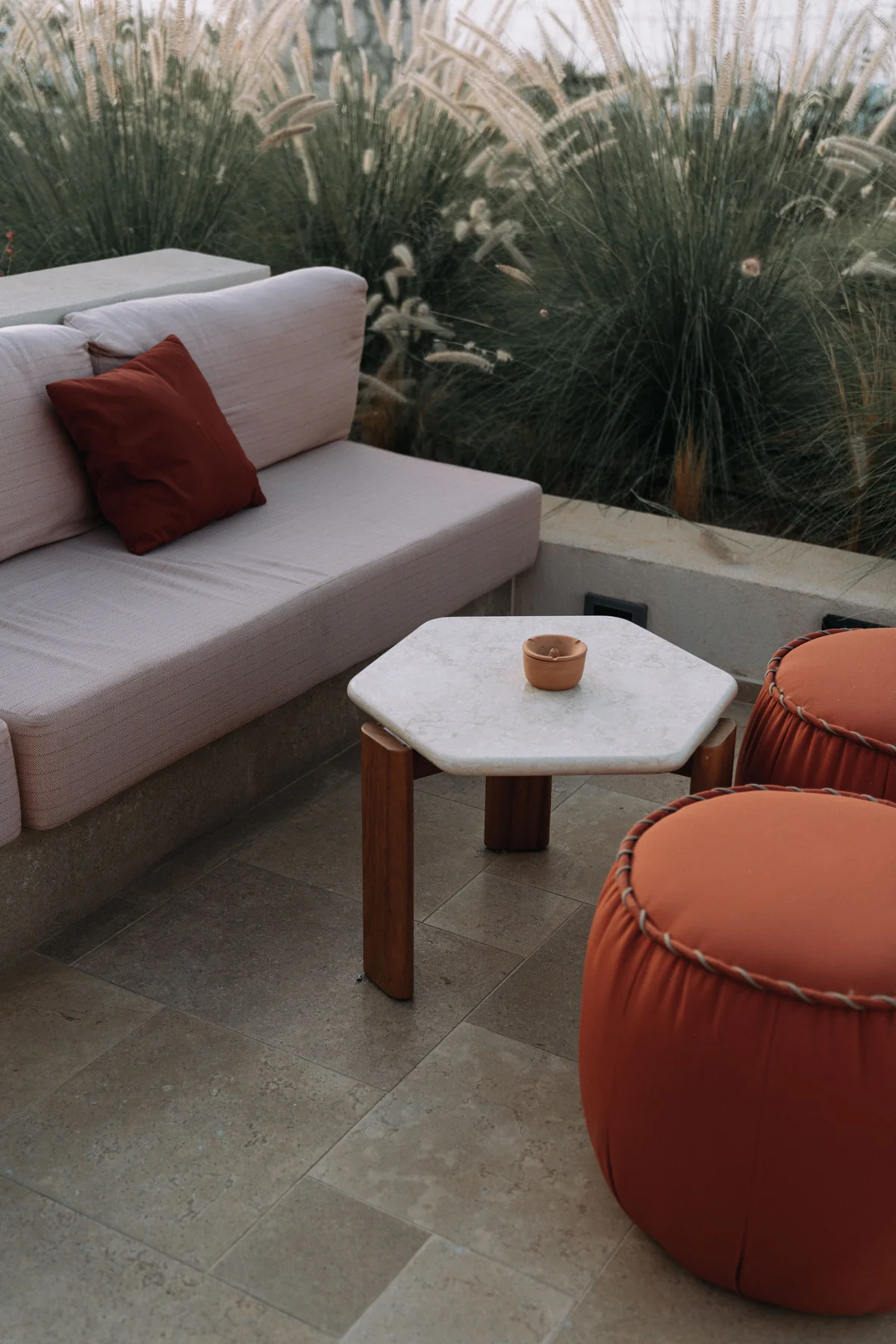
The essential idea
A useful balcony begins with a realistic activity and furniture suited to the actual exposure. Keep the doorway, drainage and essential access clear, choose products intended for outdoor use, and confirm building requirements before adding fixed elements. Prioritise a comfortable, maintainable setting over a crowded display.
An apartment balcony can become a pleasant place for a short break, reading or an evening conversation. It can also become a storage area that is rarely used. For an Abu Dhabi home, the design should begin with how the balcony feels at the times residents are likely to use it. Furniture, planting and accessories should respond to those observations rather than to an idealised outdoor-room photograph.
Choose one primary activity
Decide whether the balcony mainly supports coffee for two, quiet reading or a small amount of planting. Trying to fit a lounge, dining area and garden into a modest footprint can leave none of them comfortable.
Test the view from the intended seat and the relationship to the room inside. A simple outdoor setting can extend the apartment visually without needing to copy the size or furniture of an interior living room.
Observe exposure and comfort
Visit the balcony at the times it would normally be used. Note direct sunlight, wind, neighbouring views and the amount of shelter provided by the building. Conditions can vary significantly between positions within the same development.
Use those observations when comparing materials and furniture. Ask suppliers about the intended exposure, care and storage requirements of the actual products. A piece described as outdoor furniture may still need particular protection or maintenance.
Keep the threshold and drainage clear
Open the balcony door fully and confirm that furniture does not obstruct its operation. Preserve a clear route and access for cleaning. Avoid placing items over drains or creating hidden areas where debris can accumulate.
Do not assume that floor coverings or raised platforms are harmless additions. Changes that affect drainage, levels, waterproofing or fixed building elements need project-specific review before installation.
Select a modest furniture group
Choose a comfortable seat and a reachable surface for the main activity, then add only what improves use. Furniture needs to fit with people seated and moving around it, not just when pushed neatly against the edges.
Consider how cushions and loose accessories are stored when conditions are unsuitable. Lightweight objects should not be left where wind could displace them. Follow product guidance and the building's requirements for outdoor belongings.
Review planting and fixed additions
Planters need to be appropriate for their location, installation and maintenance. Consider watering, drainage, cleaning and access rather than choosing by appearance alone. Large or heavy additions require a proper review of suitability.
Confirm restrictions and approvals with building management before adding shade structures, screens, attached lighting or other fixed elements. Keep furnishings away from positions that could create climbing opportunities near balcony edges, particularly in households with children.
Make upkeep part of the design
Choose a manageable number of items and a cleaning routine that residents will realistically follow. Provide somewhere indoors to store small accessories if needed. Avoid a layout that requires moving every planter to reach one corner.
Test the balcony with the planned activity: sit with a cup, open the door and move back inside. If it feels easy to use and straightforward to maintain, it is more likely to become part of daily life rather than an occasionally styled extension of the apartment.
Common questions
Can an apartment balcony become a fully enclosed room?
That is a substantial building change, not a furniture decision. Its feasibility depends on the property, technical requirements and relevant approvals. Do not assume enclosure is permitted; obtain project-specific guidance before developing or commissioning that proposal.
What furniture works best on a small balcony?
Start with the activity you want to support and choose a compact, suitable outdoor seat with a useful surface. Check the arrangement with the door open and the furniture occupied. Product suitability, maintenance and exposure matter more than a particular style.