
Living & Hosting / GUIDE 15
Apartment Interior Design Abu Dhabi: Home Office Corners
Create a usable home office corner in an Abu Dhabi apartment with a suitable desk, comfortable screen position and storage that supports a daily reset.
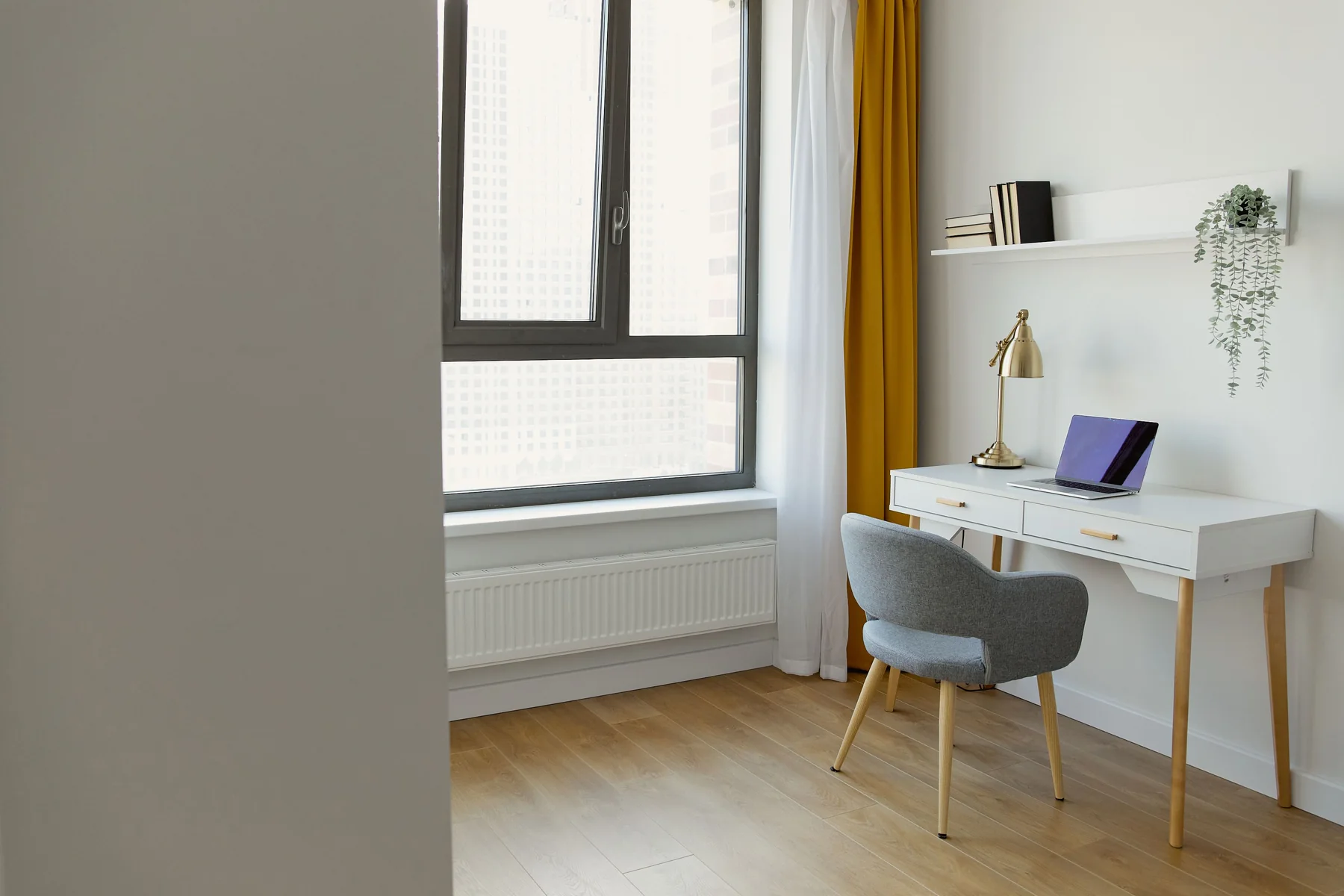
The essential idea
An apartment work corner needs a usable desk and chair, manageable light and a clear boundary between work equipment and domestic life. Choose the position by testing real tasks and calls. Provide nearby storage and accessible power so the setup can remain orderly without constant rearrangement.
A spare corner can become a useful workplace, but a narrow shelf and attractive chair are not always enough. The setup must support the work performed there and coexist with the rest of the household. For an Abu Dhabi apartment, that may mean designing a permanent desk, sharing a room carefully or creating a work surface that can be reset after use.
Define the work that happens there
List the equipment and activities involved: a laptop, separate monitor, paper documents, drawing materials or video calls. Note how many hours the space is typically used and whether others need the room at the same time.
Occasional administration and a full working day place different demands on a corner. The furniture and storage should reflect that difference, rather than copying a compact desk arrangement from a photograph.
Test the desk and chair together
Check the working position using the actual equipment where possible. The desk needs enough usable depth and width for the task, while the chair must fit under it and move comfortably. Avoid units whose decorative drawers leave insufficient space for the user's legs.
Do not select a dining chair solely because it coordinates with the apartment. For prolonged use, choose a chair that suits the person and the task, and seek appropriate ergonomic advice where needed.
Manage light and reflections
Position the screen so strong reflections are manageable. A window provides useful daylight, but placing the monitor directly in front of it is not automatically comfortable. Try alternative orientations before deciding.
Provide suitable task lighting for darker hours and paperwork. Check the lamp from the seated position and during a call, as well as from across the room. The lighting should support the activity without creating a distracting bright spot.
Plan power and equipment access
Identify the outlets needed for the complete setup, including charging and any external equipment. Arrange cables so they can be managed and serviced without crossing the main walking route. Avoid making the desk dependent on an inaccessible socket behind fixed joinery.
Think about heat and ventilation around equipment. Storage designed for a printer or computer should follow the relevant product requirements. A closed cupboard is not automatically a suitable operating location.
Establish a household boundary
Discuss when the corner is used and which activities nearby may cause interruption. A screen can reduce visual distraction, but it should not be treated as sound isolation. If confidential calls are common, an appropriate enclosed room may be necessary.
Keep the boundary proportionate to the apartment. A consistent lighting cue, a tidy work surface and a clear storage routine may be enough for occasional use; a full-time setup may need a more dedicated arrangement.
Design the end-of-day reset
Provide a destination for work items that do not need to remain visible. A drawer, nearby cabinet or organised shelf can let the room return to domestic use. Make sure the reset does not require disconnecting equipment in a complicated way.
Test the arrangement through a complete work session, including getting up, taking a call and putting things away. Adjust the details that create friction. A successful office corner is one that supports the work reliably while remaining part of a comfortable home.
Common questions
Can a bedroom include a home office corner?
It can, if the arrangement preserves sleeping comfort, storage access and a clear way to put work away. Consider lighting, calls and different household schedules. If the work regularly disrupts rest, another position may be more suitable.
What matters most in a very small work corner?
Prioritise a usable working posture, adequate surface space, manageable reflections and safe cable routes. Decorative shelving is secondary. Test the complete desk-and-chair arrangement with the actual equipment before ordering custom furniture.